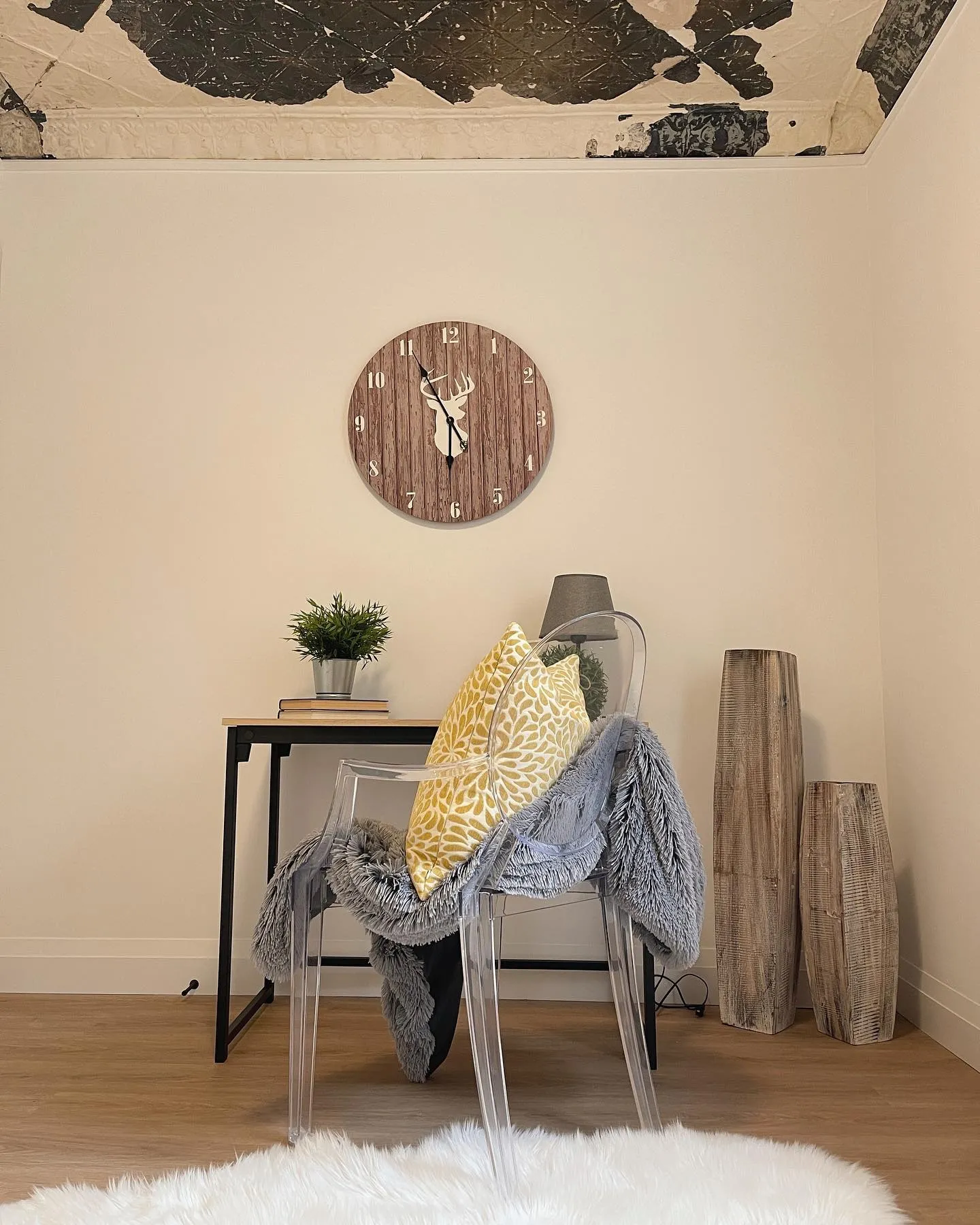
Century homes are some of the most architecturally rich properties in Kitchener-Waterloo and Cambridge. The stone houses along the Grand River in Galt, the Victorian-era homes in Kitchener’s East Ward, the Edwardian properties in Uptown Waterloo — these homes have character that no new build can replicate.
They also come with a unique set of renovation challenges that most homeowners don’t discover until the walls are already open. This guide covers what to expect, what to budget for, and how to preserve the character that makes these homes special while bringing them into the 21st century.
What Makes Century Homes Different
A home built before 1930 was constructed with fundamentally different materials, methods, and assumptions than anything built after World War II. Understanding these differences is the starting point for any renovation plan.
Structural Systems
Century homes were built with solid load-bearing walls — every interior wall may be carrying structural loads. Modern homes use a frame-and-sheathing system where most interior walls are non-structural partitions. This means you can’t simply knock down a wall to open up the floor plan without first understanding what it’s carrying and installing appropriate structural support (typically a steel or engineered wood beam).
Foundations in century homes range from stone and rubble to early poured concrete. Many have field stone foundations that were never waterproofed. Foundation walls may be deteriorating, bowing, or allowing significant moisture infiltration. Assessing the foundation is one of the first things any renovation plan should address.
Electrical
Homes built before 1950 commonly have knob-and-tube wiring — an obsolete system that runs ungrounded wires through ceramic insulators in the walls and attic. Knob-and-tube is not inherently dangerous when in good condition, but it cannot support modern electrical loads, is incompatible with modern insulation (contact with insulation creates a fire hazard), and most insurance companies either refuse coverage or charge significant premiums for homes with active knob-and-tube.
Any significant renovation of a century home should include a full electrical upgrade: new panel, new circuits, grounded wiring throughout, and removal of all knob-and-tube.
Plumbing
Pre-1960 homes may have cast iron drain pipes, galvanized steel supply lines, or lead service connections. Cast iron deteriorates from the inside out and may appear sound externally while being significantly corroded internally. Galvanized steel supply lines restrict flow over time and eventually fail. Lead service connections from the municipal water main to the house are still present on many century properties in the Region of Waterloo.
Insulation and Building Envelope
Most century homes have little to no wall insulation. The original builders relied on the mass of the walls (often double-brick or stone) for thermal performance, which is inadequate by modern standards. Adding insulation to a century home requires careful consideration of vapour barriers and moisture management to avoid creating condensation problems within the wall assembly.
Common Surprises (and How to Budget for Them)
Every century home renovation uncovers something unexpected. The question is not whether you’ll find surprises, but how many. Here are the most common:
Asbestos. Used extensively in insulation, floor tiles, pipe wrapping, and even plaster in homes built before 1980. Professional testing and abatement is required before any demolition. Budget $3,000–$15,000 depending on extent.
Lead paint. Present on virtually all homes built before 1978. Sanding or demolition creates hazardous dust. Professional abatement or encapsulation is required, especially in homes with children. Budget $2,000–$8,000.
Structural deterioration. Rot in sill plates, floor joists, and window frames is extremely common. Old-growth lumber is remarkably durable, but 100+ years of moisture exposure takes its toll. Budget 10–15% of your total renovation cost for unexpected structural repairs.
Our recommendation: carry a contingency of 15–25% on any century home renovation. On a newer home you might carry 10%. Century homes earn the extra buffer.
Heritage Designations: What You Need to Know
Several neighbourhoods in the KW region include heritage-designated properties or heritage conservation districts. Galt’s historic core, parts of East Ward in Kitchener, and areas of Uptown Waterloo are common examples.
If your home is on the municipal heritage register, exterior changes visible from a public street typically require a heritage permit in addition to the standard building permit. This affects things like window replacement, siding changes, porch modifications, and additions. Interior renovations are generally unaffected by heritage designation.
The heritage permit process adds time (typically 4–8 weeks) and may limit your options for exterior materials and design. A contractor experienced with heritage properties will know how to navigate these requirements and design additions that complement the original architecture.
Preserving Character While Adding Modern Function
The best century home renovations preserve what makes the home special while eliminating what makes it frustrating. Here’s what that looks like in practice:
Keep: Original hardwood floors (they can be refinished beautifully), unique trim profiles and mouldings, original staircases and railings, stained glass or leaded glass windows, exposed brick or stone where appropriate, ceiling medallions and plaster details.
Replace: Knob-and-tube wiring, galvanized plumbing, deteriorated windows (replicate the original divided-light pattern with modern thermally broken frames), inadequate insulation, inefficient heating systems.
Add: Open floor plans with proper structural support, modern kitchens and bathrooms, in-floor heating, proper vapour management, updated electrical for modern loads, and central air conditioning (often via a high-velocity system that fits in century-home framing).
Cost Ranges for Century Home Renovations
In the Kitchener-Waterloo region, here are realistic budget ranges for century home renovations in 2026:
Targeted renovation (kitchen + 1–2 bathrooms, electrical upgrade, some structural): $120,000–$250,000
Major renovation (full interior gut, new mechanical, updated envelope, kitchen, bathrooms): $250,000–$500,000
Comprehensive restoration (full gut to studs, foundation repair, new mechanical/electrical/plumbing, full interior finishing, exterior restoration): $400,000–$700,000+
These ranges assume a home of 1,500–2,500 sq ft. Larger homes scale accordingly.
Frequently Asked Questions
A whole-home renovation typically costs $200,000 to $600,000+ depending on size, structural condition, and finish level. Budget 15–25% more than you would for a comparable renovation on a newer home due to knob-and-tube replacement, foundation work, asbestos abatement, and structural surprises.
If your home is on a municipal heritage register, exterior changes visible from a public street typically require a heritage permit. Interior renovations generally don’t require heritage approval. Check your property’s heritage status before beginning design.
Yes, but it requires structural engineering. Century homes have load-bearing walls throughout, so opening up the floor plan involves installing steel or engineered beams to carry the loads previously supported by removed walls.
If the plaster is in good condition and you’re not updating what’s behind the walls, keep it — plaster is superior to drywall for sound insulation. If you’re updating electrical, plumbing, or insulation, removing and replacing with drywall is typically more cost-effective.
Planning a Century Home Renovation?
Caliber Contracting has renovated century homes across Galt, East Ward, Waterloo, and beyond since 2007. We understand the structural realities, the heritage requirements, and the craftsmanship these homes deserve.
Start a Conversation