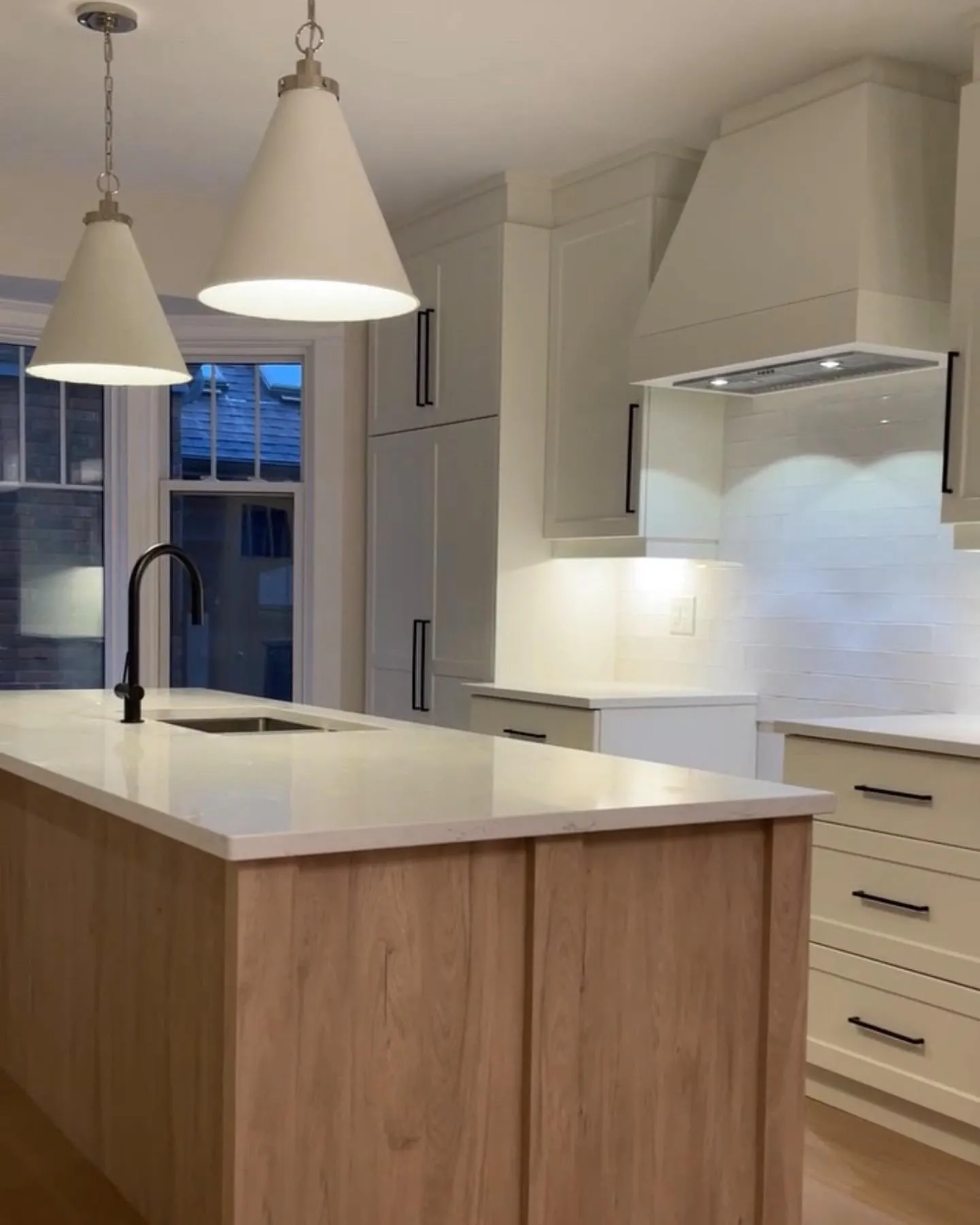
The layout of your kitchen determines how well it functions — more than the cabinets, more than the countertops, more than the appliances. A beautiful kitchen with a bad layout is a frustrating kitchen. A thoughtfully laid-out kitchen with modest finishes is a joy to cook in.
The Five Core Kitchen Layouts
Galley Kitchen
Two parallel runs of cabinets and countertops with a walkway between them. The galley is the most space-efficient layout and the one preferred by professional chefs because everything is within arm’s reach. Works best in narrow spaces (8–10 feet wide). The main limitation is that it doesn’t accommodate multiple cooks or socializing well unless one end opens to a living space.
Best for: Smaller homes, efficiency-focused cooks, homes where the kitchen is a defined room rather than an open space.
L-Shaped Kitchen
Cabinets and countertops along two perpendicular walls, forming an L. This is the most versatile layout because it leaves one or two walls open, accommodates a dining table or island in the open space, and works in rooms of varying sizes. The corner where the L meets can be a dead zone if not designed with corner-specific storage (lazy Susans, pull-out trays).
Best for: Medium-sized kitchens, families who want an eat-in kitchen, open-concept homes.
U-Shaped Kitchen
Cabinets and countertops along three walls. Maximizes storage and counter space. Can feel enclosed in smaller rooms but is extremely functional for serious cooks who want everything accessible without walking across the kitchen. Works best in rooms at least 10–12 feet wide.
Best for: Dedicated kitchen rooms, avid cooks, households that need maximum storage.
Island Kitchen
Any base layout (usually L-shaped or single wall) plus a freestanding island. The island serves as additional prep space, casual seating, storage, and a visual anchor. An island requires at least 36–42 inches of clearance on all sides, so your kitchen needs to be roughly 12–13 feet wide minimum.
Best for: Larger kitchens, families who gather around the kitchen, entertainers.
Open Concept with Island
The kitchen opens directly to the living and dining areas with an island serving as the dividing element. This is the most popular layout in modern renovations and new builds. The island faces the living space, allowing the cook to interact with family and guests. Requires the most square footage but creates the most social kitchen experience.
Best for: Larger homes, families with children, frequent entertainers, modern lifestyle.
The Work Triangle (and Why It Still Matters)
The classic kitchen work triangle connects the three primary work zones: sink, stove, and refrigerator. Each leg of the triangle should be 4–9 feet, and the total perimeter should not exceed 26 feet. No leg should be blocked by an island or peninsula.
While modern kitchens often have multiple work zones (prep zone, cooking zone, cleanup zone, storage zone), the fundamental principle remains: the things you use most frequently should be close together and the path between them should be unobstructed.
What Layout Fits Your Home?
The right layout depends on three things: the room dimensions you have (or can create with structural changes), how you actually use the kitchen, and how the kitchen connects to adjacent spaces. A design-build contractor can help you evaluate options and visualize each layout in your specific space before committing to construction.
Frequently Asked Questions
It depends on your room size and lifestyle. L-shaped with island is the most versatile. Galley is the most efficient for small spaces. Open concept with island is best for entertaining.
You need at least 12–13 feet of kitchen width for an island with proper clearance. If narrower, a peninsula connected to a wall is a good alternative.
Yes, though the trend has shifted toward defined zones within open spaces rather than completely barrier-free layouts.
Ready to Redesign Your Kitchen Layout?
Caliber Contracting designs kitchens around how you actually cook, gather, and live. We’ll help you find the right layout for your home.
Start a Conversation