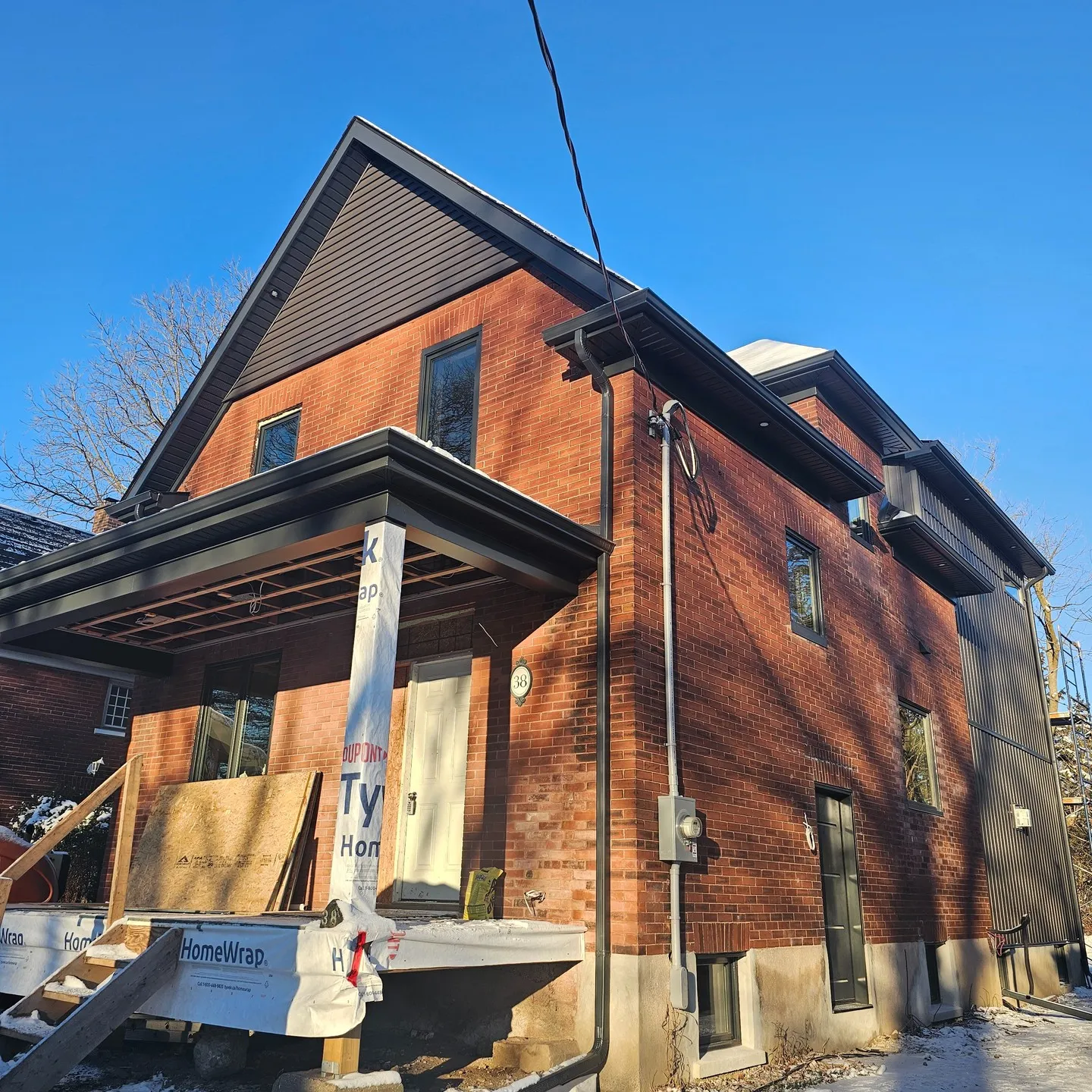
A whole-home renovation is one of the largest investments a homeowner will make. It's also one of the most disruptive. Months of planning, weeks of permits, tradespeople cycling through your home, dust migrating into rooms you thought were sealed — it can feel relentless. But the projects that go smoothly share a common thread: the homeowner knew what was coming before it arrived.
This guide walks you through every phase of a whole-home renovation in the Kitchener-Waterloo region — what happens, why it happens in that order, and how to keep your sanity through the process.
Why Whole-Home Renovations Are Different
A kitchen renovation is a contained project. A bathroom is even more so. But a whole-home renovation involves sequencing multiple trades across every room — often while you're still living there. Electrical, plumbing, HVAC, structural framing, insulation, drywall, finishing, and millwork don't happen simultaneously. They happen in a strict order driven by building code, structural logic, and inspection checkpoints.
Miss a step or try to rush the sequence, and you end up opening walls you just closed. Understanding the order of operations is the first thing that separates a smooth project from a painful one.
Our engineering background shapes how we run whole-home renovations. Before a single wall is touched, we develop a full sequencing plan — mechanical rough-ins, permit milestones, trade scheduling — so that each phase feeds cleanly into the next. That discipline is what keeps timelines intact and budgets on track.
Phase by Phase: What Actually Happens
The project doesn't start on site — it starts at the drawing table. Architectural drawings, interior design selections (flooring, cabinetry, fixtures, tile), and a detailed scope document need to be locked before permits are applied for. Changes made during this phase cost nothing. Changes made once drywall is up cost significantly.
During this phase you'll confirm your full scope, make all major material selections, and review a line-item budget. Don't skip the detailed budget conversation. A ballpark figure isn't a budget — a line-item breakdown is.
In the Region of Waterloo — Kitchener, Waterloo, Cambridge, and Woolwich Township — building permits for whole-home renovations typically take 4 to 8 weeks. Structural, electrical, and plumbing permits each follow their own pathway. Your contractor should manage this entirely; your job is to sign where required.
While permits are in review, your contractor should be confirming trade schedules, ordering long-lead materials (custom cabinetry can run 8–14 weeks), and finalizing subcontractor agreements. This overlap is what keeps the project on schedule — contractors who wait for permits before ordering materials add weeks to the back end.
Once permits are issued, demolition begins. For whole-home renovations this is typically a 3–7 day process. Walls come down, flooring is removed, old mechanical systems are disconnected. What's exposed during demo sometimes changes scope — concealed structural issues, outdated knob-and-tube wiring, inadequate insulation. This is normal and why a contingency allowance (typically 10–15% of the total budget) is essential, not optional.
If load-bearing walls are being removed or relocated, structural steel or engineered lumber beams go in at this stage, along with any new foundation work or underpinning.
This is the longest and most critical phase of a whole-home renovation. Electrical, plumbing, and HVAC rough-ins all happen before a single sheet of drywall goes up. The sequence matters: plumbing typically goes first (pipes need gravity, so they set the grade), then HVAC ductwork, then electrical. Each trade needs to coordinate around the others' rough-in locations.
Rough-in inspections from the municipality happen at this stage — your inspector needs to see the work before it's covered. No responsible contractor skips these inspections.
Once rough-ins pass inspection, insulation goes in — walls, ceilings, and any basement areas. Drywall follows: hang, tape, mud, sand, and repeat. This is a dusty, loud, multi-week process. HEPA air scrubbers and poly barriers between zones keep the rest of the house livable, but expect some dust migration regardless.
Painting happens in stages: primer coat after drywall is finished, then final paint after flooring is in but before trim and fixtures are installed. The sequence prevents rework.
Hard flooring typically goes in before cabinetry (so there are no gaps around base cabinets). Custom cabinetry installation is followed by countertop templating — stone fabricators need cabinets in place before they can template and cut. Lead time from template to installation is typically 2–3 weeks for quartz or granite.
Interior doors, window trim, baseboards, and crown moulding are cut and installed during this phase. Millwork quality is one of the most visible differentiators between a competent renovation and a premium one — tight mitre cuts and consistent reveals matter.
Plumbing fixtures (faucets, sinks, showers, toilets), lighting, electrical devices (outlets, switches, panels), tile backsplashes, hardware, and all the details that make a renovation look finished come in at this stage. This phase moves faster than it looks but is unforgiving of sequence errors — a tile installer who shows up before the shower pan is waterproofed is a costly problem.
Final inspections from the municipality happen here as well. All permitted work gets signed off before occupancy.
A professional contractor conducts a thorough punch list walk — a detailed review of every item in the scope to identify anything that needs adjustment, touch-up, or completion. You walk the project with your project manager, document any items, and they're resolved before final payment is released. Don't waive this step, and don't make final payment before it's complete.
Living Through It: What to Prepare For
The Dust Is Real
Even with the best containment — poly sheeting, HEPA filtration, daily cleanup protocols — a whole-home renovation produces dust. If you have respiratory sensitivities or young children, planning to stay elsewhere during the heaviest phases (demo, drywall) is worth the cost.
Decision Fatigue Is a Thing
A whole-home renovation requires hundreds of decisions — most of them made before construction begins, some of them during. When homeowners haven't pre-selected materials before the project starts, they end up choosing under pressure with a crew waiting. Those rushed decisions tend to produce regrets. Front-load your selections as much as possible.
Budget for the Unexpected
Older homes in Kitchener, Waterloo, and Cambridge routinely reveal conditions that couldn't be known before walls opened — knob-and-tube wiring, asbestos in drywall compound, inadequate subfloor structure, undersized drain lines. These aren't contractor failures; they're the nature of existing construction. A 10–15% contingency budget is not padding — it's risk management.
Communication Frequency Matters
Establish your expected communication rhythm at the start of the project. Weekly written updates at a minimum. A clear escalation path for urgent questions. Knowing what's happening and why dramatically reduces the stress of the process, even when things aren't going exactly as planned.
"Communication was excellent throughout. We always knew what was happening and what to expect next." — Christine L., Whole Home Renovation, Kitchener
The Most Common Reasons Projects Go Wrong
- Scope creep without budget adjustment. Every addition to scope costs money. If your contractor is adding work without documenting change orders and pricing, that's a problem — both for your budget and for accountability.
- Skipped permits. Contractors who suggest skipping permits to save time or money are creating a liability you'll carry at resale. Unpermitted work can void homeowner's insurance, fail home inspections, and require costly remediation.
- Under-resourced crews. A contractor managing too many projects simultaneously will slow yours down to keep others moving. Ask about their current workload before signing.
- Vague contracts. A contract that doesn't specify scope line by line, payment schedule, timeline milestones, and change order process is not protecting you.
- Late material decisions. Custom cabinetry ordered late delays countertops, which delays backsplash tile, which delays the plumber's return visit. One late decision cascades through the schedule.
Timeline at a Glance
For a full whole-home renovation on a 1,500–2,500 sq ft home in the KW region:
- Design and selections: 4–8 weeks
- Permits: 4–8 weeks (overlapping with design)
- Demo and structural: 1–3 weeks
- Mechanical rough-ins: 4–8 weeks
- Drywall and paint: 3–5 weeks
- Flooring, cabinetry, trim: 4–8 weeks
- Fixtures and finishes: 2–4 weeks
- Punch list and handover: 1 week
- Total: 5–9 months depending on scope
Frequently Asked Questions
Most whole-home renovations in the Kitchener-Waterloo region take 4 to 9 months depending on scope. A structural renovation with kitchen, bathrooms, and mechanical updates typically runs 5–7 months. Cosmetic-only projects can be completed in 8–12 weeks. Permit timelines through the Region of Waterloo or City of Cambridge add 4–8 weeks to the front end.
It depends on scope. If mechanical systems are being replaced or kitchens and all bathrooms are offline simultaneously, moving out is strongly recommended. For phased renovations where one bathroom remains functional, many homeowners stay in place — though it requires significant tolerance for dust, noise, and restricted access.
Permits are required for any structural changes, electrical panel upgrades or rewiring, plumbing relocations, HVAC replacements, and additions. Cosmetic work like flooring, painting, and cabinet replacements generally does not require a permit. Your contractor should pull and manage all permits — if they suggest skipping permits to save money, that's a serious red flag.
Whole-home renovation costs in the Kitchener-Waterloo region typically range from $150,000 to $500,000+ depending on home size, scope, and finish level. Mid-range renovations on a 1,500 sq ft home tend to fall in the $175,000–$275,000 range. Premium finishes, structural changes, or full mechanical replacements push costs higher. Always get a detailed line-item quote, not a ballpark figure.
A professional contractor will seal off active work areas with poly sheeting and use HEPA air scrubbers to control dust migration. Before work begins, remove or store valuables, electronics, and furniture from work zones. Consider a portable storage unit for large items. Confirm your homeowner's insurance policy covers renovation-related incidents and ask your contractor for proof of their own liability insurance.
Planning a Whole-Home Renovation?
Caliber Contracting has been delivering whole-home renovations across Kitchener, Waterloo, Cambridge, and Paris since 2007. Let's talk through your project.
Start a Conversation