ADU and Secondary Suite Costs in Kitchener-Waterloo and Cambridge
Ontario's Bill 23 fundamentally changed what you can build on a residential lot. Since 2023, municipalities are required to allow up to three residential units on most properties without rezoning. That means a garden suite, basement apartment, or above-garage unit is now a realistic option for almost every homeowner in Kitchener, Waterloo, Cambridge, and Paris — and one that can dramatically change the financial picture of owning a home.
Basement Apartment Conversion$60,000–$120,000
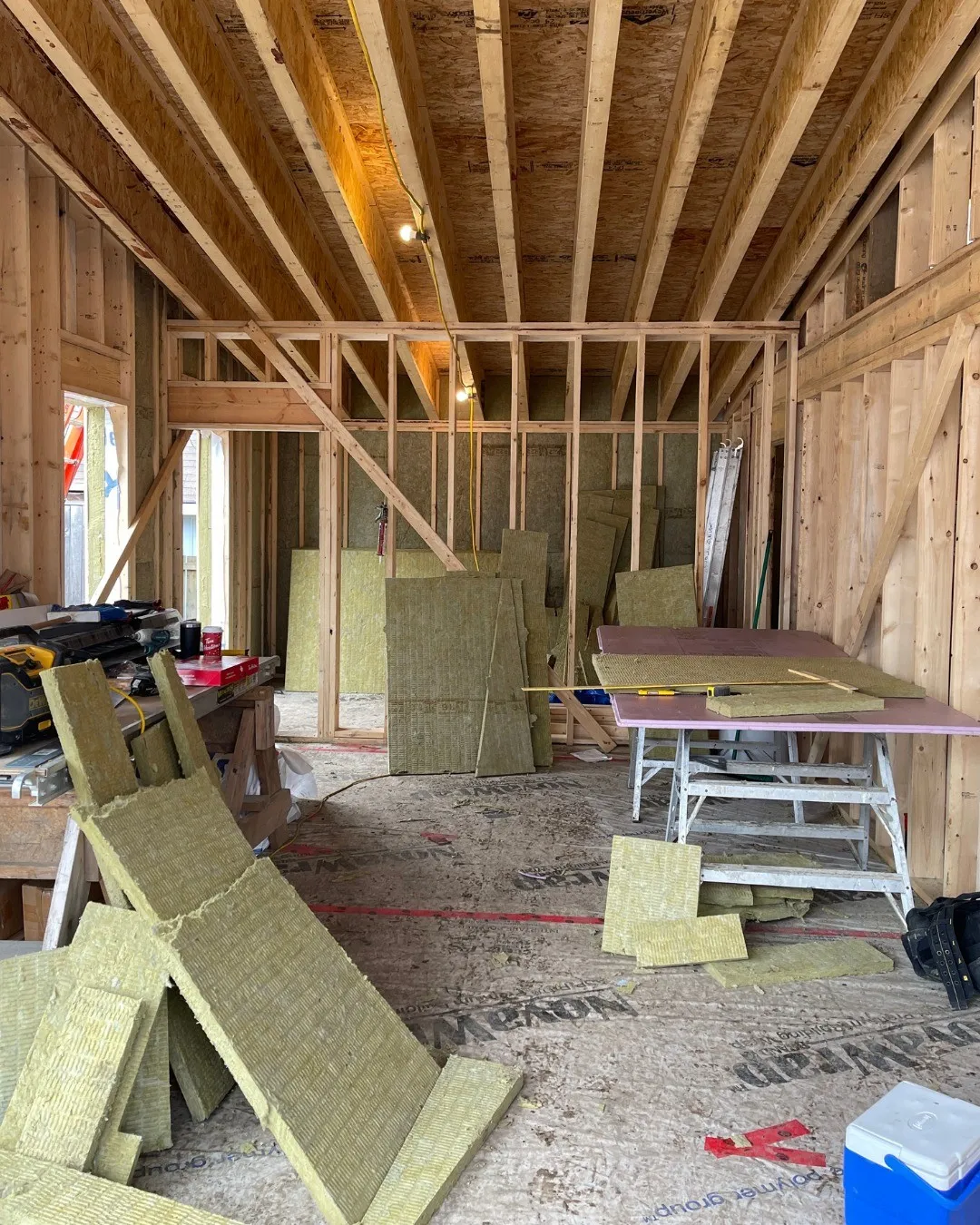
Converting an existing unfinished basement into a legal, code-compliant apartment is the most affordable ADU option because the structure already exists. Includes: separate entrance, full kitchen, bathroom, egress windows, fire separation between units, electrical sub-panel, plumbing, insulation, and finishes. The biggest cost variables are whether you need to underpin (lower the basement floor) for ceiling height and how much plumbing relocation is required.
Above-Garage Unit$100,000–$200,000
Building a living unit above an existing detached garage. Often the most cost-effective way to add a self-contained unit because you're using existing foundation and walls. The existing garage structure must be assessed for second-floor load capacity — many older garages need structural reinforcement.
Attached Secondary Suite$80,000–$180,000
An addition to your main home designed as a self-contained unit with its own entrance, kitchen, bathroom, and living space. Fire separation, sound insulation, and separate mechanical systems required between units. Often combined with a main floor renovation of the existing home.
Detached Garden Suite (Coach House)$150,000–$350,000
A standalone unit built in your backyard — essentially a small custom home. Requires new foundation, full framing, roofing, siding, windows, plumbing and electrical service connections, HVAC, and full interior finishing. Size typically ranges from 400–800 sq ft. The biggest cost variables are foundation type (slab vs. full basement), servicing distance from the main house, and finish level.
Grant Programs and Financial Incentives
Several grant programs are currently active in our region, and they can meaningfully change the financial picture of an ADU project:
- City of Waterloo ARU Grant: Up to $20,000 for interior ARUs (basement apartments) and additional support for exterior units. Income-tested rental terms may apply.
- Region of Waterloo Secondary Suites Program: Up to $25,000 for units rented at affordable rates for 15 years.
- City of Cambridge: Has offered grant programs in the past; current availability varies year-to-year.
- Federal CMHC Multi-Unit Mortgage Insurance: Construction financing options for projects with 5+ units, including detached ARU clusters.
- Development Charge Exemptions: Under Ontario's 2026 changes, the first two ARUs on a lot are exempt from development charges. The third ARU may still be subject to charges depending on the municipality.
We help every client identify and apply for the grants and programs they qualify for as part of the project, often before construction begins.
ADUs by City
ADUs in Kitchener
Kitchener applies a Zoning Occupancy Certificate process to ARUs in addition to the building permit, which adds a layer of administrative review but provides certainty about compliance. The City has a comprehensive ARU guide and supports up to four units on most low-rise residential lots (one principal dwelling plus up to three ARUs).
ADUs in Waterloo
Waterloo allows up to four units per lot under its 2024 zoning amendments and provides one of the more flexible permit processes in the region. The City's ARU Guide is detailed and the building permit process is streamlined for compliant designs. Engineering and building permit drawing requirements are rigorous, which means well-prepared applications move quickly.
ADUs in Cambridge
Cambridge has clear building permit requirements for ARUs under the 2024 framework. The City of Cambridge ARU Guidelines lay out plan requirements, fire separation standards, and parking expectations. Heritage districts in Galt have additional design considerations for exterior visibility of new ARUs.
ADUs in Paris and Brant County
The County of Brant supports ARUs across its urban and rural service areas. The County has published its own Planning Your Additional Residential Unit guide. Servicing is the biggest variable: urban properties in Paris connect to municipal services; rural properties may require well and septic capacity assessments.
ROI: Do ADUs Pay for Themselves?
In the current Kitchener-Waterloo rental market, a legal one-bedroom unit rents for $1,400 to $1,800 per month. A two-bedroom unit rents for $1,800 to $2,400 per month. At the lower end, a $100,000 basement apartment generating $1,500 per month in rent produces a gross annual return of $18,000 — paying for itself in roughly 5 to 6 years before considering property value appreciation. Garden suites have longer payback periods (typically 10 to 15 years on rental income alone) but add significant property value and provide multigenerational living flexibility.
The Multigenerational Use Case
Many of our ADU clients aren't building for rental income — they're building for aging parents, returning adult children, or future flexibility. The financial logic is different in this case: you're substituting an ADU build cost for retirement-home, second-home, or rental costs over a multi-decade horizon. We help clients model both scenarios honestly.
The ADU Permit and Build Process
1. Feasibility
Before committing to a design, we evaluate the lot for ADU feasibility: zoning permissions, setback compliance, lot coverage, parking requirements, servicing capacity, and any heritage or conservation constraints. This typically takes 1 to 2 weeks.
2. Design
Architectural design, structural engineering for detached ARUs, and mechanical/electrical/plumbing design. Pre-approved ARU designs from CMHC's National Housing Catalogue can shorten this phase significantly. Typical duration: 6 to 12 weeks.
3. Permits
Building permit application, plus zoning occupancy certificate where required (Kitchener), plus any minor variance applications if needed. Typical duration: 8 to 16 weeks depending on municipality and complexity.
4. Construction
Basement conversion: 3 to 5 months. Above-garage unit or attached secondary suite: 4 to 6 months. Detached garden suite: 6 to 10 months. We manage the entire process — foundation through final inspection.
Frequently Asked Questions
How much does a garden suite cost in Kitchener-Waterloo? +
A detached garden suite in the Kitchener-Waterloo region typically costs $150,000 to $350,000, depending on size (400 to 800 sq ft), foundation type, servicing distance from the main house, and finish level. A basic 500 sq ft garden suite typically runs around $175,000. A high-end 750 sq ft suite with a basement can exceed $300,000.
How much does a basement apartment cost in Cambridge? +
A legal basement apartment in Cambridge typically costs $60,000 to $120,000. Costs include a separate entrance, kitchen, bathroom, egress windows, fire separation, electrical sub-panel, plumbing, and finishes. Underpinning to gain ceiling height adds $25,000 to $60,000 if required.
Are ADUs legal in Kitchener-Waterloo? +
Yes. Ontario Bill 23 (2022) requires all municipalities to permit up to three residential units per lot. Kitchener, Waterloo, Cambridge, and the County of Brant have all updated their bylaws to comply, with Kitchener and Waterloo permitting up to four units in most residential zones.
Are there grants for building an ADU in Waterloo Region? +
Yes. The City of Waterloo offers up to $20,000 for interior ARUs. The Region of Waterloo offers up to $25,000 for units rented at affordable rates for 15 years. Cambridge has offered programs in the past. Federal development charge exemptions also apply to the first two ARUs per lot.
How long does it take to build an ADU? +
A basement apartment conversion typically takes 3 to 5 months of construction. A detached garden suite takes 6 to 10 months. The design and permit phase before construction adds 2 to 6 months depending on complexity and municipality.
Do I need a separate water and sewer connection for a garden suite? +
Most municipalities require only one service connection per lot, with the ADU connecting through the existing primary dwelling's service. The existing service line may need to be upsized, which requires a Waterworks permit and licensed contractor work. Some municipalities allow or require a separate connection, which adds significant cost. We confirm the local rules early in the design phase.
What about parking for an ADU? +
Parking requirements vary by municipality. Most require a minimum of two spaces for the main dwelling plus one per ARU, though some have eliminated parking minimums for ARUs near transit. We design parking layouts that comply with local rules and use rear yard or side yard configurations where possible to preserve front-yard landscaping.
Can I rent an ADU through Airbnb? +
Short-term rental rules vary by municipality. Some allow short-term rentals of ARUs with a license; others prohibit it or restrict it to the principal residence. Confirm with your municipality before designing for short-term rental use, as some grant programs require long-term tenancy.
Can I build a garden suite on a small lot? +
It depends on the specific lot. Bill 23 requires municipalities to permit ARUs but doesn't override basic zoning rules for setbacks, lot coverage, and minimum yard sizes. We assess each lot's specific dimensions during the feasibility phase. Most standard urban lots in our region can accommodate at least a small garden suite.
Related Reading