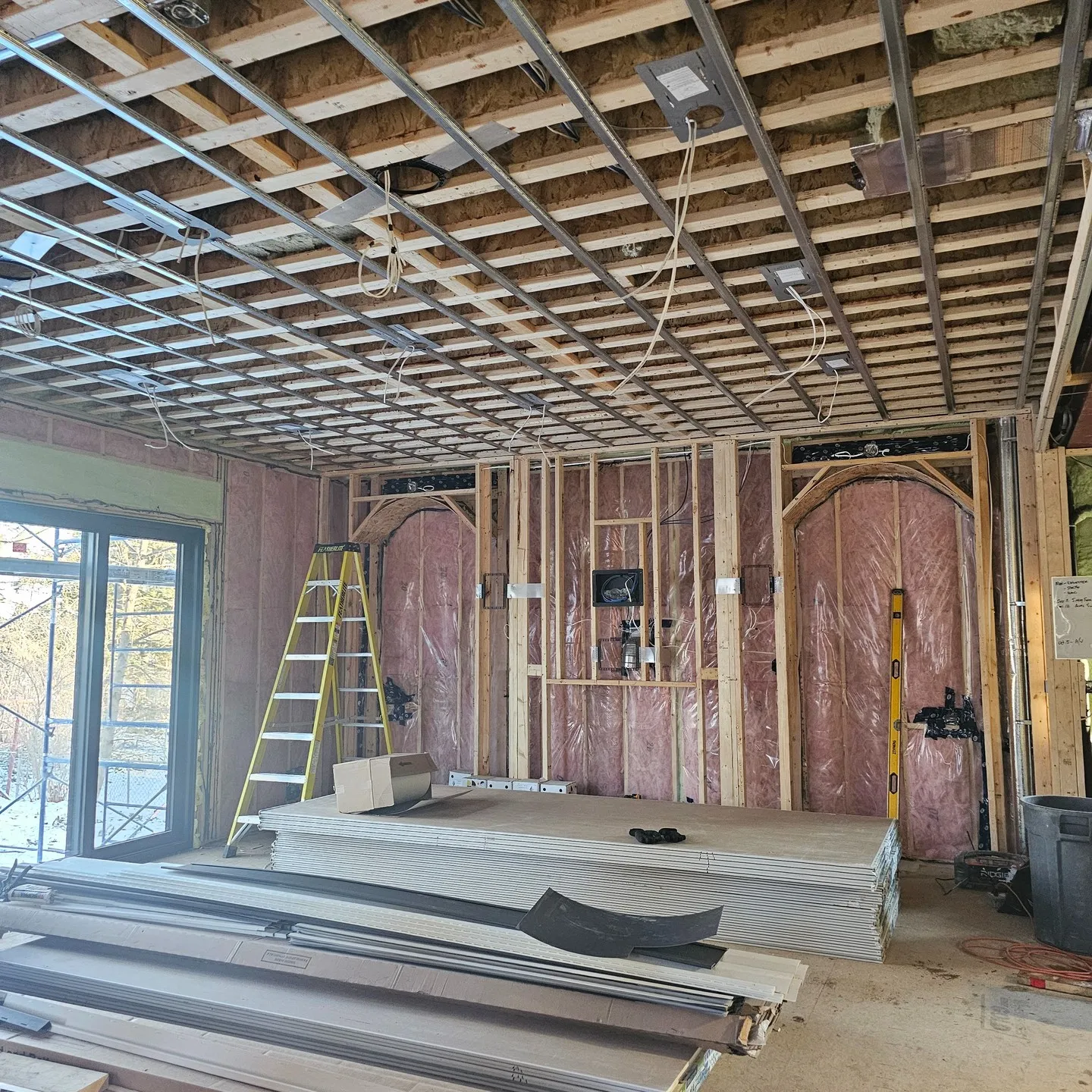
Home Addition Costs in Kitchener-Waterloo and Cambridge
Home addition costs in the Kitchener-Waterloo region typically range from $200 to $400 per square foot depending on the type of addition, finish level, and structural complexity. The total project cost depends as much on what you're adding as on how big you build.
Bump-Out Addition$45,000–$120,000
A targeted 4–8 foot expansion of an existing room — typically a kitchen, breakfast nook, mudroom, or enlarged bathroom. Smallest scope, fastest timeline, lowest disruption. Often the right answer when you need just a bit more space without a full addition.
Main Floor Extension$150,000–$300,000
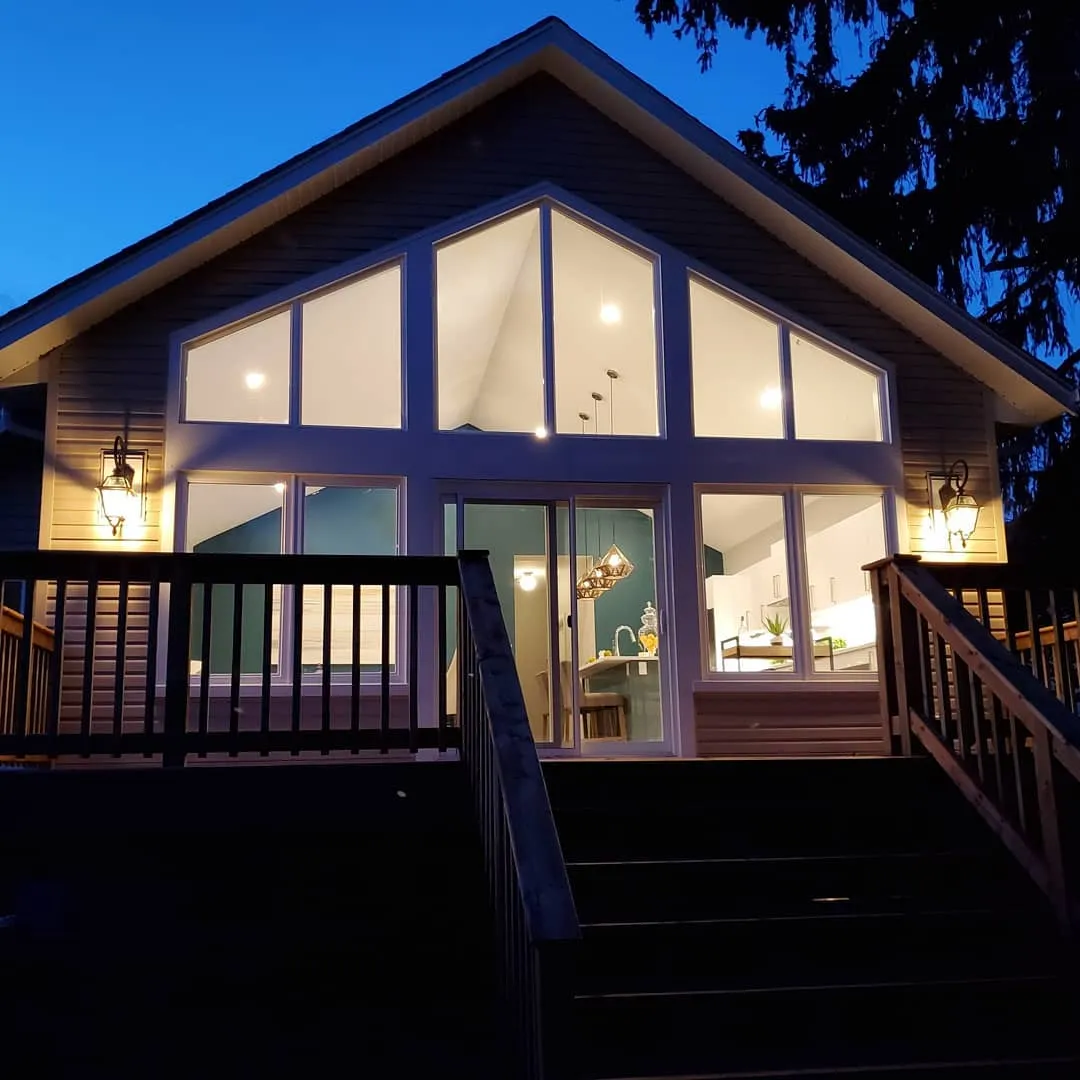
A single-story addition expanding your kitchen, dining room, family room, or master suite. Includes new foundation, framing, roofing, windows, mechanical, and full interior finishing. Typical scope is 200–500 square feet of new conditioned space.
Second-Story Addition$250,000–$500,000
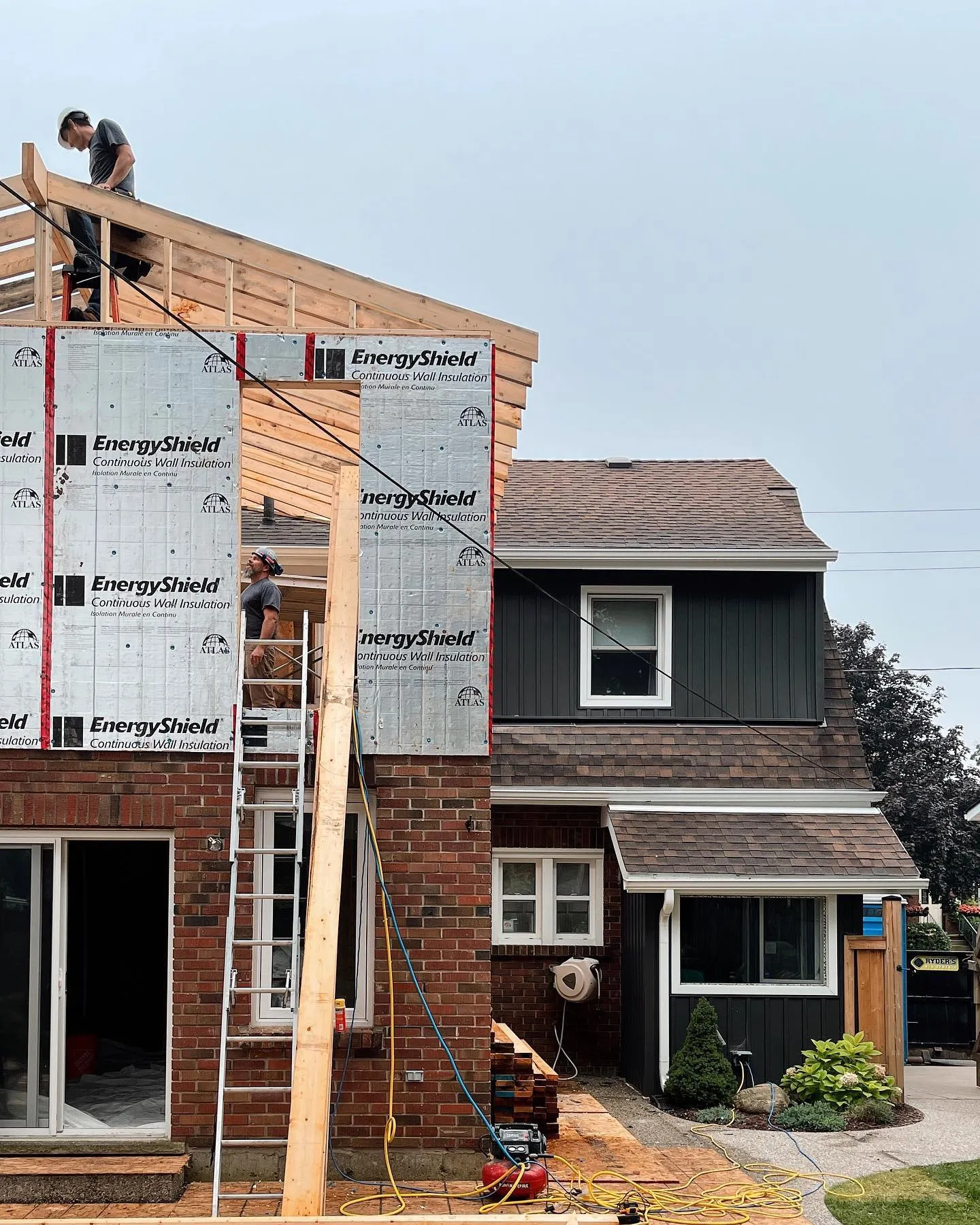
Adding an entire second floor to a bungalow, cape cod, or single-story home. Requires structural reinforcement of the existing foundation and walls, new roof framing, new staircase, and full interior buildout of the new floor. Often includes 2–4 bedrooms, bathroom, and laundry.
Master Suite Addition$180,000–$350,000
A purpose-built primary bedroom expansion with walk-in closet, ensuite bathroom, and often features like heated floors, custom built-ins, and direct backyard access. Can be ground-floor or second-story depending on the home's layout.
Large Two-Story Addition$400,000–$750,000+
A full two-story expansion adding significant new square footage on both levels. Common when a family needs both more living space below and additional bedrooms above. Often includes structural redesign of the existing home to integrate the new wing.
The biggest cost drivers across all addition types are foundation work, structural integration with the existing home, and the level of interior finish. Tying a new addition into a 70-year-old home with settled foundations and outdated framing requires careful engineering. Additions to newer homes are typically more straightforward and cheaper per square foot.
Home Additions by City
Home Additions in Kitchener
Kitchener neighbourhoods like Westmount, Forest Heights, Deer Ridge, and Stanley Park have a mix of post-war bungalows, 1970s splits, and newer infill that all benefit from thoughtful additions. The City of Kitchener requires a building permit for any addition, with applications processed through the Building Division. Heritage neighbourhoods may require additional design review. We've completed second-story additions, kitchen extensions, and large two-story additions across Kitchener since 2007.
Home Additions in Waterloo
Waterloo's older neighbourhoods near uptown and the universities have a high proportion of post-war and century homes where additions are common. Newer subdivisions in north Waterloo offer different opportunities, often expanding into larger lots. The City of Waterloo has clear zoning rules for setbacks, lot coverage, and height that we navigate during the design phase. Permit applications go through the City's online portal.
Home Additions in Cambridge
Cambridge — including Galt, Preston, and Hespeler — has some of the region's most varied housing stock, from heritage homes in Galt's core to mid-century houses in Preston and newer builds in Hespeler. Each area has different addition opportunities and constraints. The City of Cambridge has specific requirements for additions in heritage conservation districts that affect design choices. Permit processing typically takes 4–8 weeks for standard residential additions.
Home Additions in Paris and Brant County
Paris and the surrounding Brant County have larger lots that often support significant additions and outbuildings. Rural properties may require septic system upgrades or capacity assessments depending on the addition's plumbing impact. We work directly with the County of Brant on permits and inspections.
Adding a Second Story to a Bungalow
Adding a second story to a bungalow is one of the most common addition projects in our region — and one of the most structurally demanding. The existing home must be assessed for: foundation capacity (often requiring underpinning or reinforcement), wall framing strength to support a new floor load, electrical service capacity (typically requires upgrade to 200 amp), HVAC capacity (the existing furnace is rarely sized for a doubled square footage), and roof removal logistics.
The typical timeline is 6–10 months from permit approval to move-in. Costs typically run $250,000–$500,000 depending on size and finish level. Most homeowners cannot live in the home during the roof-off phase, which usually lasts 3–6 weeks. We sequence the work to minimize the displacement period and use weather-tight enclosure systems to protect the home throughout.
When an Addition Makes Sense vs When to Move
The "renovate vs move" math has shifted in 2026. With Kitchener-Waterloo home prices down 8.8% year-over-year and Cambridge down 7.7%, plus high transaction costs (real estate commissions, land transfer tax, moving costs typically totaling $40,000–$80,000 on a $1M home), staying and expanding often makes more financial sense than upgrading by selling. We help clients model both scenarios honestly during the design consultation.
The Permit Process for Home Additions in Ontario
Every home addition in Ontario requires a building permit. The application typically requires: architectural drawings showing the proposed addition in plan, elevation, and section views; structural engineering drawings stamped by a licensed engineer; site plan showing setbacks from property lines and lot coverage calculations; HVAC and energy compliance documentation; and electrical service capacity assessment.
Permit processing time varies by municipality but typically runs 4 to 8 weeks for residential additions. We manage the entire permit application process — coordinating drawings, engineering, applications, and inspections — so clients aren't navigating municipal bureaucracy on their own.
What's Included in a Caliber Home Addition
- Design and engineering: Architectural design, structural engineering, mechanical design, and energy compliance
- Permits and approvals: Full permit application, drawings, and inspection coordination
- Foundation: Excavation, footings, foundation walls, waterproofing, and drainage
- Framing and roofing: Floor systems, wall framing, roof framing, sheathing, and roof covering matched to existing
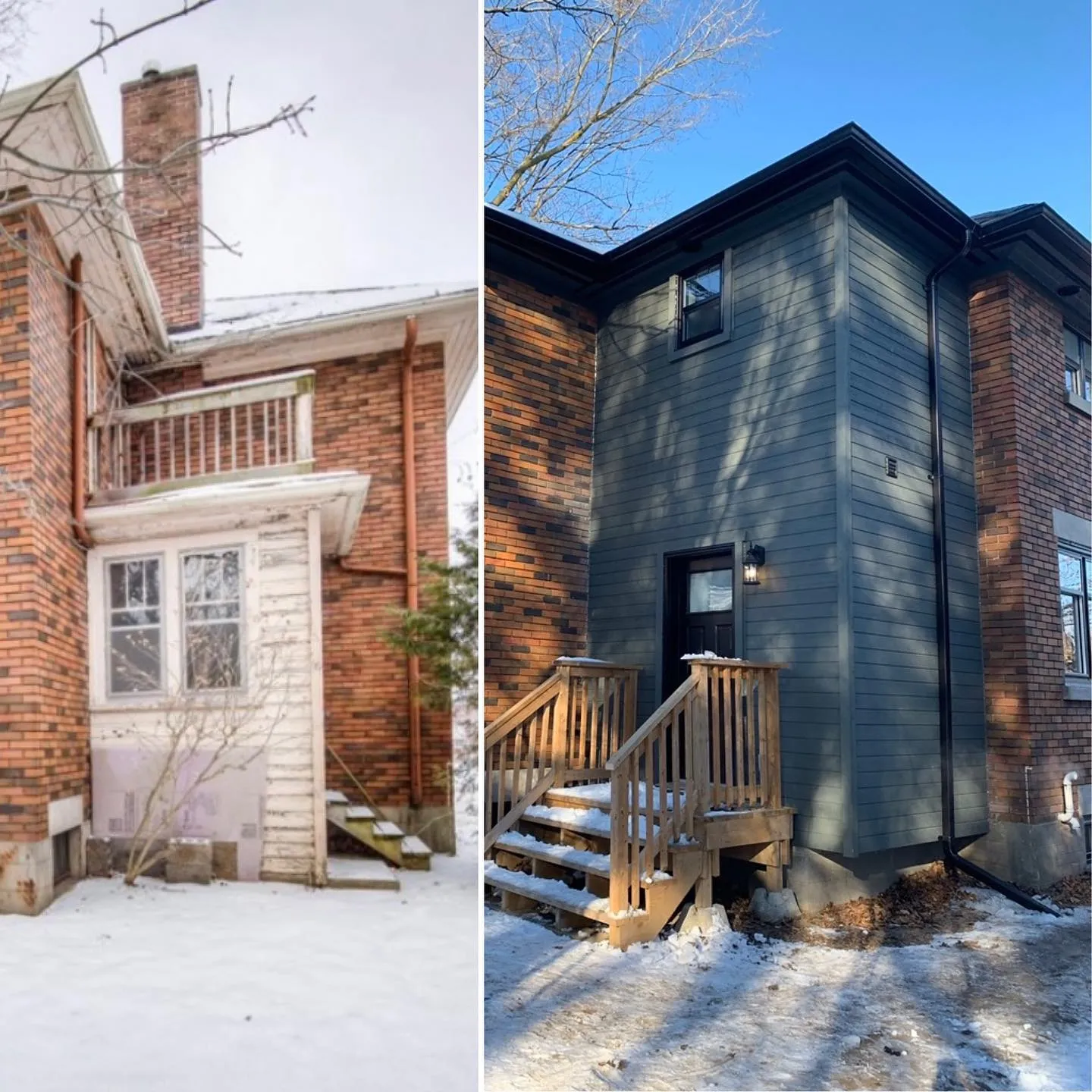
- Exterior: Siding, brick, soffits, fascia, gutters, and trim matched to the existing home
- Mechanical, electrical, plumbing: HVAC integration, electrical service upgrades if needed, plumbing rough-ins
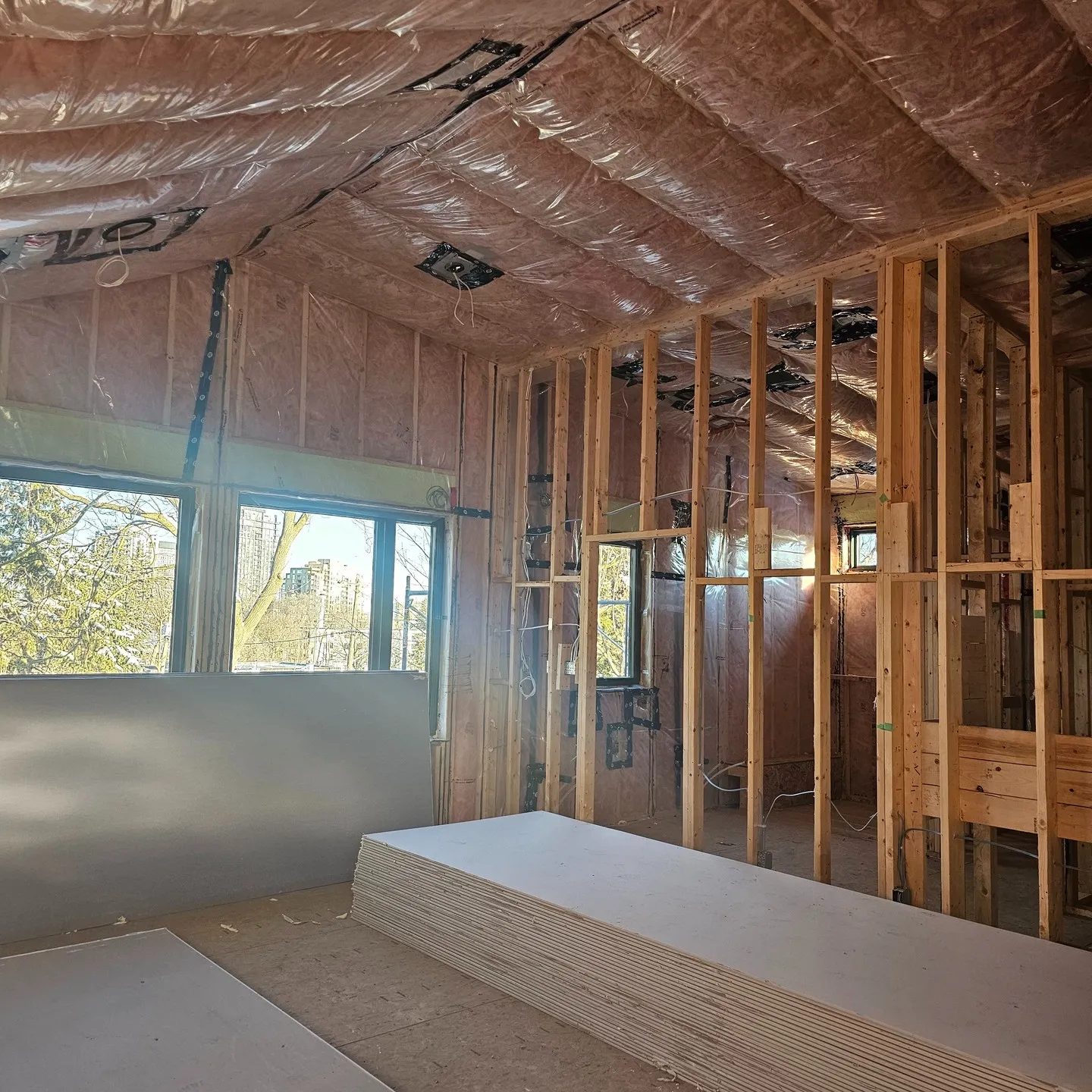
- Interior: Insulation, drywall, flooring, trim, doors, paint, and full finishing
- Integration: Tie-in details where the addition meets the existing home, both inside and out
Frequently Asked Questions
How much does a home addition cost in Kitchener-Waterloo? +
Home additions in the Kitchener-Waterloo region typically cost $200 to $400 per square foot, with total project costs ranging from $45,000 for a small bump-out to $750,000+ for a large two-story addition. Most main-floor additions fall between $150,000 and $300,000, and most second-story additions between $250,000 and $500,000.
How much does a second story addition cost in Cambridge? +
A second story addition on a bungalow or single-story home in Cambridge typically costs $250,000 to $500,000. The cost depends on the existing home's structural capacity (whether foundation reinforcement is needed), the size and finish level of the new floor, and how the new staircase integrates with the existing layout.
How long does a home addition take to build? +
A typical Caliber home addition takes 4 to 8 months from permit approval to completion. A single-room main floor addition may take 3 to 5 months. A full second-story addition takes 6 to 10 months. The design and permit phase before construction adds another 2 to 4 months.
Do I need a permit for a home addition in Kitchener? +
Yes. Every home addition in Kitchener (and across Ontario) requires a building permit. The application requires architectural drawings, structural engineering, site plan, and energy compliance documentation. Caliber Contracting manages the entire permit process on the client's behalf.
Can I live in my home during an addition? +
In most cases, yes. We use dust barriers, floor protection, and separate entry points to minimize disruption. The exception is during roof-off phases of second-story additions — typically 3 to 6 weeks — when most homeowners temporarily relocate. We sequence the work to keep that displacement period as short as possible.
Will the addition match my existing home? +
Yes — seamless integration is one of the things we hold ourselves to. We carefully match rooflines, siding profiles, brick courses, window styles, and interior trim so the new space looks and feels like it was always part of the original home. Our portfolio shows additions on century homes, post-war homes, and modern builds with matching detail at every transition.
Do I need to upgrade my electrical panel for a home addition? +
Often yes. Most older homes have 100-amp electrical service, which is rarely sufficient for an addition that includes new HVAC, kitchen circuits, or significant lighting load. Upgrading to 200-amp service is standard for most additions and adds approximately $3,000 to $5,000 to the project cost.
Can my foundation support a second story? +
Sometimes yes, sometimes no — it depends on the original construction. Many bungalow foundations from the 1950s through 1970s were sized for the load they carry and require reinforcement (underpinning, additional footings, or supplementary structural elements) to support a full second floor. We have the foundation and framing assessed by a structural engineer during design. If reinforcement is needed, the cost is typically $15,000 to $40,000.
What's the difference between an addition and a renovation? +
A renovation reconfigures or improves space within the existing home's footprint. An addition expands the footprint — new foundation, new walls, new roof, new conditioned space. Many projects include both: an addition combined with renovation of the existing home where it ties into the new space.
Should I add or move? +
The math depends on your specific home, location, and equity. With Kitchener-Waterloo home prices down 8.8% year-over-year in 2026, transaction costs (real estate commissions, land transfer tax, moving expenses) often totaling $40,000 to $80,000 on a $1M home, and the disruption of selling and moving, staying and expanding makes more financial sense than ever. We help clients model both scenarios during the design consultation.
Related Reading